Welcome to the new Simply Supplements website. If you have a subscription created before the 8/6/26 please contact Customer Care to make changes.
Integratori Simply Supplements Italia
Benefici delle Bucce di Psillio
Italy
Quando si tratta di nutrizione, un aspetto sul quale siamo tutti d’accordo è che abbiamo bisogno di una dieta ricca di fibre. Alcuni anni fa, il Dipartimento della Salute (DoH) ha aumentato l'assunzione di fibre raccomandata da 21 ga 30 g al giorno. Data la difficoltà nel raggiungere tale dose c'è stato un aumento degli integratori di fibre. Uno dei più popolari e ben studiati è la buccia di psillio che questo articolo approfondirà in dettaglio.
Che cos'è la Buccia di Psillio?
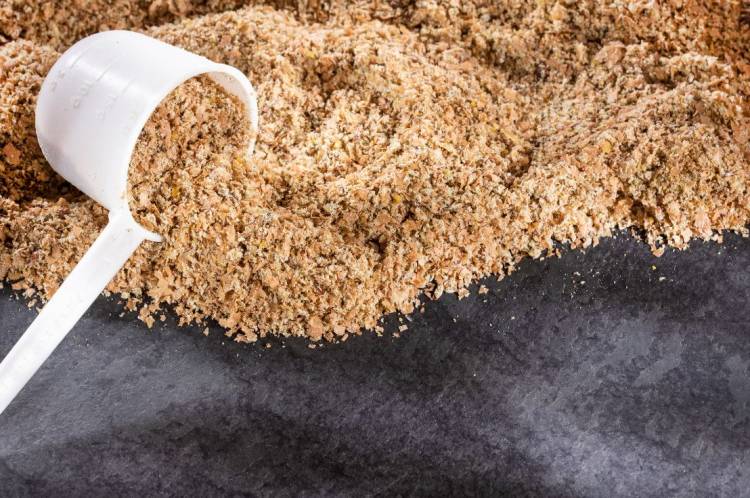
La buccia di psillio è una delle migliori fonti di fibre al mondo ed è ugualmente efficace in compresse, capsule, polvere o nella sua forma naturale di buccia.
Inoltre, è conosciuta come una fibra solubile, perché assorbe l'acqua e forma una sostanza gelatinosa nello stomaco. Questa proprietà è uno dei suoi migliori benefici per la salute.
Quali sono i vantaggi delle Bucce di Pisillio?
Digestione
La fibra è nota soprattutto per la sua capacità di supportare la salute dell'apparato digerente e la buccia di psillio fa proprio questo, poiché vanta l'80% di fibre. Ciò significa che un cucchiaio contribuirà ad oltre un quarto del fabbisogno giornaliero di fibre.
Studi scientifici hanno costantemente dimostrato che questa fibra solubile ha un delicato effetto lassativo che è molto efficace per la costipazione. Le fibre aumentano le dimensioni e la morbidezza delle feci per facilitare il passaggio.
Per questi motivi, la buccia di psillio è diventata un integratore molto popolare tra le persone con problemi digestivi, in particolare le persone che soffrono di sindrome dell'intestino irritabile (IBS).
Controllo del colesterolo
Per integrare i benefici per la salute dell'apparato digerente, la buccia di psillio ha dimostrato anche la capacità di ridurre i livelli di colesterolo.
Uno studio di meta-analisi condotto nel 2009 ha scoperto che la buccia di psillio è efficace nel ridurre il colesterolo totale e il LDL. Inoltre, i benefici sono stati dimostrati indipendentemente dalla forma in cui è stata presa la buccia di psillio.
Controllo della glicemia
Lo zucchero nel sangue cronicamente alto, noto anche come diabete, attualmente colpisce oltre 400 milioni di persone in tutto il mondo, che è un dodicesimo della popolazione adulta.
Numerosi studi di ricerca concordano sul fatto che la buccia di psillio può ridurre i livelli di zucchero nel sangue. Uno studio in particolare ha dimostrato che la fornitura giornaliera di psillio per 8 settimane è stata efficace nel migliorare il controllo del glucosio di quasi il 20% in un gruppo di pazienti diabetici.
Sebbene sia stato dimostrato che la buccia di psillio può essere efficace da sola, gli scienziati sono fiduciosi che fornirebbe un vantaggio sinergico con altri nutrienti come il cromo, che ha anche proprietà anti-diabetiche.
Soppressione dell'appetito
È interessante notare che i risultati di numerose ricerche scientifiche hanno dimostrato che l'assunzione di buccia di psillio prima dei pasti può portare a una soppressione dell'appetito che conseguentemente riduce l'apporto calorico.
Alcuni esperti ritengono che la buccia di psillio funzioni assorbendo una grande quantità di acqua, il che aiuta ad aumentare la massa dello stomaco. Altri credono che aiuti a rallentare il transito dei nutrienti attraverso lo stomaco e quindi a sopprimere la fame più a lungo.
Considerando che può sopprimere l'appetito e diminuisce la quantità di grasso (e carboidrati) che il corpo assorbe, potrebbe essere potenzialmente utile come parte di una dieta dimagrante.
Quanta buccia di psillio assumere?
La ricerca ha dimostrato che 5-10 g al giorno è la quantità ideale per sostenere la salute dell'apparato digerente, i livelli di colesterolo e glicemia.
Come accennato in precedenza, questi benefici si verificano indipendentemente da quale forma di buccia di psillio si prende.
• Per migliorare i livelli di colesterolo o di zucchero nel sangue: si consiglia di prenderlo insieme ai pasti.
• Per controllare i livelli di fame: assumere la buccia di psillio prima dei pasti o insieme ai pasti.
• Per i benefici digestivi: può essere assunto in qualsiasi momento, ma può essere più efficace se assunto durante i pasti.
Quali sono gli effetti collaterali?
La buccia di psillio è un'ottima aggiunta alla dieta in quanto non solo ha dimostrato benefici per la salute, ma è anche abbastanza sicura. Detto questo, ci sono un paio di punti da tenere in considerazione.
In primo luogo, il psillio è noto come allergene e può causare reazioni allergiche e anche peggiorare i sintomi dell'asma.
Oltre ad avere la capacità di ridurre l'assorbimento di grassi, colesterolo e carboidrati, può purtroppo diminuire la quantità di vitamine e minerali che assorbiamo. Di questi nutrienti essenziali, quello che sembra avere un effetto significativo è il ferro. Quindi, se assumete costantemente la buccia di psillio, un integratore di ferro può essere una buona idea.
Conclusione
Per concludere, la buccia di psillio è un integratore che è cresciuto in popolarità negli ultimi anni. Non solo ha dimostrato benefici per il sistema digestivo, ma è anche noto per avere un potente effetto sui livelli di colesterolo e zucchero nel sangue. Poiché questi problemi di salute e la mancanza di fibre alimentari sono all'ordine del giorno, la buccia di psillio ha il potenziale per essere un integratore molto utile per una vasta gamma di persone. Inoltre, poiché ha un profilo di sicurezza rinomato in coloro che non hanno allergie, questo integratore dovrebbe essere altamente raccomandato.
Learn what B vitamins do, their food sources, and how vitamin B complex supports energy, metabolism, brain function, red blood cells, and overall health.
Learn how to lower high cholesterol naturally with fibre, healthy fats, exercise, sleep and lifestyle tips to support heart health and a healthy lipid profile.
Discover the link between osteoporosis and sarcopenia, plus nutrition and lifestyle tips to support bone density, muscle health, mobility and healthy ageing.
In the UK, men on average die four to six years earlier than women. They also have a life expectancy of 79.1 years, are significantly less likely to attend routine health screenings, are more likely to delay seeking medical attention for concerning symptoms, and face higher rates of cardiovascular disease, type 2 diabetes, liver disease, and suicide.
The dietary patterns, movement habits, sleep, stress management, and relationship with healthcare that men establish can have a profound influence on health outcomes across the lifespan.
Cardiovascular Health
Cardiovascular disease is the leading cause of premature death in men in the UK, and men develop it on average ten years earlier than women. The protective effect of oestrogen that delays cardiovascular disease in premenopausal women does not apply to men, meaning that risk accumulates from earlier in adulthood.
The key modifiable risk factors for cardiovascular disease include:
high blood pressure
elevated LDL cholesterol
high triglycerides,
insulin resistance,
smoking
excess visceral adiposity
physical inactivity
chronic stress
poor sleep
alcohol use and diet quality
Most of these can be influenced by nutrition and lifestyle, meaning that the everyday choices men make have a significant and compounding effect on their long-term cardiovascular risk.
Dietary patterns most strongly associated with reduced cardiovascular risk include:
Mediterranean diet
diets rich in vegetables and fruit
wholegrains
legumes
olive oil
nuts
oily fish
Focus should fall on predominantly whole food dietary patterns that are balanced, high in fibre and low in saturated fats.
Specific nutrients with the strongest cardiovascular evidence include omega-3 fatty acids, which reduce triglycerides and inflammation, soluble fibre from oats, barley, chia seeds, legumes, certain vegetables and fruit, which reduces LDL cholesterol, potassium from vegetables and fruit, which supports healthy blood pressure, and extra virgin olive oil for its anti-inflammatory properties.
In the UK, men are encouraged to have regular blood pressure and cholesterol screenings from their forties onward, and earlier for those with a family history of cardiovascular disease. Many men have elevated cardiovascular risk markers like LDL cholesterol for years before any symptoms arise, making regular monitoring genuinely important rather than optional.
Type 2 Diabetes and Metabolic Health
Men are at higher risk of type 2 diabetes than women at equivalent body weights, partly due to the tendency of men to accumulate visceral fat (fat around the internal organs) rather than subcutaneous fat (fat beneath the skin).
Visceral adiposity is metabolically active and drives insulin resistance, inflammation, and cardiovascular risk in ways that subcutaneous fat does not to the same degree.
Type 2 diabetes is largely preventable and in its early stages often reversible through dietary and lifestyle change. The evidence for dietary approaches to improving insulin sensitivity and metabolic health consistently points toward reducing refined carbohydrate and added sugar intake, increasing dietary fibre, eating regular meals with adequate protein, fibre and fat to moderate blood glucose response, and regular physical activity.
Waist circumference is a more informative marker of metabolic risk than body weight or BMI alone. A waist circumference above 94cm in men is associated with increased metabolic risk, and above 102cm with substantially elevated risk.
This is worth knowing not as a point of shame, but as a practical piece of health information that is easy to measure and track.
Dietary quality improvements, increased physical activity, and better sleep can all improve insulin sensitivity and reduce visceral fat independently of changes in overall body weight.
Prostate Health
According to Cancer Research, 1 in 6 men in the UK will be diagnosed with prostate cancer in their lifetime. When detected early, it is one of the most survivable cancers and so regular screening is particularly important for men over 50 and men with a family history of prostate cancer or with Black African or Caribbean heritage.
In epidemiological research, those who consume diets rich in lycopene, an antioxidant that gives fruits and vegetables like tomatoes, pink grapefruit and watermelon their red pigment, has been linked to a reduced risk of prostate cancer, though evidence is mixed.
Lycopene is significantly more bioavailable from cooked or processed tomatoes than raw, with tomato paste, passata, and canned tomatoes providing more absorbable lycopene than fresh tomatoes.
The overall dietary pattern matters more than any single nutrient. Higher vegetable, fruit and wholegrains intake, adequate zinc, and a predominantly whole food dietary pattern are associated with better prostate health outcomes. Diets high in processed meat and very high in saturated fat are associated with modestly increased risk in large prospective studies.
Testosterone and Hormonal Health
Testosterone levels in men decline gradually from the mid-thirties onward, with research suggesting an average decline of around 1 to 2% per year after age 40. This is a normal part of aging, but the trajectory and rate of decline are influenced by lifestyle factors, meaning that the choices men make in their thirties and forties meaningfully affect their hormonal health in their fifties and beyond.
Several nutritional and lifestyle factors are associated with better testosterone status. Adequate zinc intake is directly relevant: zinc is essential for testosterone synthesis, and deficiency is associated with reduced testosterone levels.
Good sources include shellfish, pumpkin seeds, and legumes. Adequate dietary fat intake, particularly from monounsaturated and saturated fat sources in moderate amounts, supports testosterone production, as testosterone is synthesised from cholesterol.
Vitamin D deficiency, which is widespread in the UK, is associated with lower testosterone levels so correcting any deficiency may improve testosterone status. Maintaining adequate vitamin D year-round through blood work to assess levels and supplementation when needed can therefore be relevant to hormonal health.
Chronic stress elevates cortisol, which directly suppresses testosterone production. This is one of several reasons why stress management is not separate from men's hormonal health but integral to it.
Sleep is equally relevant: testosterone is primarily produced during sleep, and research has found that even one week of sleeping five hours per night reduces testosterone levels by approximately 10 to 15% in young men, a reduction equivalent to ageing ten to fifteen years.
Sleep and Sleep Apnoea
Sleep affects testosterone, cardiovascular health, metabolic function, immune resilience, cognitive performance, emotional regulation, and physical recovery.
Sleep apnoea, a condition in which breathing repeatedly stops and starts during sleep, is significantly more common in men than in women, and is associated with fatigue, poor cognitive function, elevated cardiovascular risk, and reduced testosterone. It is frequently undiagnosed because the primary symptom is snoring combined with daytime sleepiness, which many men normalise. If you or your partner have noticed loud or irregular snoring combined with daytime fatigue, discussing this with a GP is worthwhile.
Seven to nine hours of quality sleep per night is the evidence-supported range for most adults. Consistent sleep and wake times, a cool dark bedroom, limiting alcohol, avoiding caffeine after midday, and managing stress are the most consistently evidence-supported sleep hygiene strategies.
Alcohol
Men in the UK drink more alcohol on average than women and are more likely to drink at hazardous or harmful levels. The NHS guidelines recommend no more than 14 units of alcohol per week spread across at least three days, with alcohol-free days each week.
Alcohol at higher intake levels is associated with liver disease, several cancers including colorectal and liver cancer, cardiovascular disease, high blood pressure, depression, cognitive decline, impaired sleep, reduced testosterone, and reduced fertility.
The relationship between alcohol and health is not linear, and while low-level drinking has historically been associated with some cardiovascular benefits, more recent research applying Mendelian randomisation methods suggests that even moderate drinking carries some increased risk.
This is not about prohibition. It is about honest awareness that alcohol is one of the most significant modifiable risk factors for serious health conditions in men, and that staying within recommended guidelines meaningfully reduces long-term risk.
Engaging With Healthcare
One of the most impactful things men can do for their long-term health is engage proactively with healthcare rather than reactively. This means attending NHS health checks when invited (available to those aged 40 to 74), discussing blood pressure, cholesterol, and blood glucose screening with a GP, being aware of bowel cancer screening (offered to those over 60 in the UK), having conversations about prostate health from the mid-forties onward for those with risk factors, and not dismissing symptoms or delaying seeking help when something feels wrong.
Testicular cancer is the most common cancer in men aged 15 to 49 afd is highly treatable when caught early. Regular self-examination and prompt reporting of any lumps or changes to a GP are important habits. Skin cancer rates are higher in men partly due to lower rates of sun protection, and regular skin checks for changing moles or lesions are worthwhile.
Mental Health
Men are less likely to seek help for depression and anxiety, less likely to discuss emotional difficulties with friends or family, and more likely to manage distress through avoidance, alcohol, or other external coping strategies rather than directly addressing the underlying issue. These patterns can have devastating consequences when unaddressed, and they are deeply connected to social norms around masculinity that equate emotional expression with weakness.
The most important message regarding men's mental health is to reach out. To your GP, to a therapist, to a trusted friend, to a helpline and to engage in psychological therapies like CBT and ACT for mental health support.
Closing Thoughts
Men's health is shaped by the accumulation of daily choices across decades: what is eaten, how much movement happens, how sleep is prioritised, how stress is managed, how much alcohol is consumed, and whether medical or mental health care is sought when needed.
None of these are binary or all-or-nothing. Small, consistent improvements in multiple areas compound meaningfully over time.
This article is for educational purposes only and does not replace the advice of a qualified healthcare or nutrition professional. If you're experiencing persistent or severe symptoms, please consult your healthcare provider.
Sources:
https://www.nmcd-journal.com/article/S0939-4753(23)00385-X/fulltexthttps://pmc.ncbi.nlm.nih.gov/articles/PMC6906176/https://pmc.ncbi.nlm.nih.gov/articles/PMC11958419/https://www.sciencedirect.com/science/article/abs/pii/S0960076021000716?via%3Dihubhttps://pmc.ncbi.nlm.nih.gov/articles/PMC8743653/https://www.sciencedirect.com/science/article/pii/S2949789225000881https://onlinelibrary.wiley.com/doi/10.1111/1467-9566.13257
Learn how to support summer health with hydration, seasonal foods, sunlight, gut health, sleep and exercise for better energy, digestion and wellbeing.