How to Fuel Your Workouts (With a Spotlight on Protein & Creatine)
 Funmi Akinola (Msc, Anutr)
 Whether you’re stepping back into movement after a break, building consistency for the first time, or pushing towards strength and performance goals, how you fuel your workouts matters.
Not for aesthetics, not for weight loss, not for punishment, but for energy, recovery, confidence, and a body that feels supported rather than drained.
The truth is, most people think they’re “bad at exercise” when in reality, they’re simply under-fuelled. Low energy, dizziness, heavy legs, shaky muscles, poor recovery, and slow progress are often signs the body doesn’t have the fuel it needs to perform.
And without fuel, even the most motivated person will struggle.
The good news? You don’t need complicated regimes to feel stronger, more powerful, and more energised in your workouts. You just need a few key principles, with protein and creatine playing a standout role.
1. Why Fuel Matters: The Physiology Behind Better Workouts
Your body needs energy to move and this energy is drawn from the food you eat.
When you work out, especially strength training, your body:
Burns through glycogen (glucose stores)
Breaks down muscle tissue
Increases its demand for amino acids (the building blocks of protein)
Uses up cellular energy (ATP)
If you haven’t fuelled well, you’re essentially trying to train without petrol in the tank.
Proper fuelling:
Gives you more power
Improves stamina
Enhances focus
Increases strength
Speeds up recovery
Reduces the risk of injury
Supports hormone balance
Keeps your nervous system stable
In short: fuel makes everything feel easier.
2. The Three Phases of Workout Nutrition
To keep things simple, think of training fuel in three stages.
Before: Fuel for Energy
This is about giving your muscles the carbohydrates they need to perform.
During: Fuel for Stability
Most people don’t need intra-workout snacks unless training for over an hour, but hydration is crucial.
After: Fuel for Recovery
This helps repair muscle tissue, replenish glycogen, and reduce soreness.
3. Pre-Workout: What to Eat Before Training
Your pre-workout meal or snack should do two things:
Provide quick energy (carbohydrates)
Support your muscles (protein)
A balanced pre-workout option 2 hours before training might include:
Greek yogurt + fruit + a drizzle of honey
Overnight oats with chia seeds and berries
A turkey, chicken, or tofu wrap
If you're training early and can’t stomach much or need fast acting energy, try:
A banana
A few dates
Fruit juice
Carbs give you energy. Protein stabilises your blood sugar and fuels your muscles. Together, they create the ideal pre-workout foundation.
4. The Role of Hydration
Even mild dehydration can:
Worsen fatigue
Reduce strength
Impair coordination
Increase heart rate
Make workouts feel harder
Aim for:
A glass or two of water on waking
Regular sips through the session and throughout day
5. Post-Workout: The Recovery Window
Post-workout nutrition is all about rebuilding. Your muscles are like sponges after training, they’re primed to absorb nutrients that support repair and growth.
Focus on:
Protein (for muscle repair)
Carbohydrates (to refill glycogen stores)
Balanced examples:
Protein smoothie with banana and oats
Eggs on toast with tomatoes and spinach
Salmon with rice and steamed vegetables
Tofu stir fry with noodles
Chicken wrap with salad
Greek yogurt + granola + berries
Within 1–2 hours is ideal, but don’t panic if you miss the “window.” Your body still benefits.
6. Protein: Your Workout Powerhouse
If there is one nutrient that truly elevates your training results, your recovery, and your body composition, it’s protein.
Why Protein Matters:
Repairs muscle fibres
Helps you build strength
Reduces soreness
Stabilises blood sugar
Supports metabolism
Improves hormone balance
Keeps you fuller for longer
How much do you need? A helpful benchmark for active people is around 20–30g of protein per meal.
Practical examples:
200g Greek yogurt
2–3 eggs + extra whites if needed
A portion of salmon or chicken
A scoop of high-quality Simply Go protein powder
Lentils, beans, tofu, tempeh (larger portions needed)
7. Creatine: The Most Researched Supplement for Strength, Mood, and Energy
Creatine is not just for bodybuilders. It is one of the safest, most effective, and most widely researched supplements for:
Strength
Muscle recovery
Energy production
Enhancing performance
Improved cognitive function
How creatine works: Creatine increases your body’s stores of phosphocreatine, which helps generate ATP, your cells’ primary energy source.
More ATP = more power during strength training and HIIT.
Why creatine is especially beneficial for women: Women naturally have lower creatine stores than men. This means supplementation can have an even greater impact.
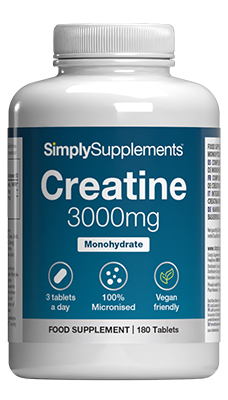
How much creatine to take: 3–5g creatine monohydrate daily can be added to water, smoothies, and protein shakes and it is most effective taken consistently.
8. Carbohydrates Are Not the Enemy, They’re Your Training Fuel
Carbs power your muscles. Without them:
Your workouts feel harder
Your strength plateaus
Your mood dips
Cravings increase
Recovery slows
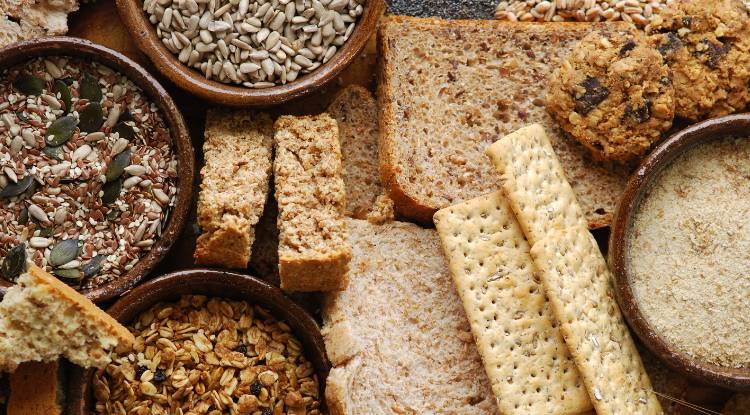
Nutritious carbs that support training include oats, rice, potatoes, pasta, fruit, sourdough or wholegrain bread, beans and legumes.
9. What If You’re Returning to Exercise After Illness or a Break?
Your body needs gentler nourishment and compassionate pacing.
Try:
Lighter sessions to rebuild confidence
Balanced meals every 3–4 hours
Extra carbohydrates for energy
Steady protein intake
Plenty of hydration
Creatine for cellular recovery
Slow, progressive increases in intensity
Fuel well, go slow, honour your body.
10. Signs You’re Under-Fuelled
If you experience any of the following during or after exercise, your body is asking for more nourishment:
Dizziness
Fatigue
Irritability
Headaches
Heavy legs
Increased cravings
Poor sleep
Feeling emotional or overwhelmed
Slow recovery
Frequent colds or illnesses
Irregular periods
If you are experiencing any of these symptoms around exercise then your body is communicating with you for extra support.
Final Thought: Fuel Is Not a Reward. It Is the Foundation.
Food is not something you earn through movement. It is what allows you to move well in the first place. When your body is properly fueled, you lift heavier, move with more ease, recover more efficiently, think more clearly, and feel more grounded. Workouts become something you enjoy rather than endure.
Support your training by:
Taking creatine at 3 to 5 g daily
Sipping fluids regularly rather than relying on large amounts at once
Aiming for around 30 g of protein per meal
Supporting energy with carbohydrates
This is what strength built with nourishment looks like.
Sources:
https://www.mdpi.com/2072-6643/17/1/95
https://link.springer.com/article/10.1007/s40279-025-02213-6