Healthy Habits That Might Be Doing More Harm Than Good

 Funmi Akinola (Msc, Anutr)
 We all want to make healthy choices.
We wake up early for workouts, sip green smoothies, or skip dessert thinking we’re doing “the right thing” for our bodies. But here’s the truth: not every habit marketed as healthy is actually helping you, and in some cases, it might be quietly doing more harm than good.
The tricky part? These habits usually look healthy, so we rarely stop to question them. Over time, small, well-intentioned actions can add stress, imbalance, and frustration instead of energy, vitality, and well-being. Recognising the red flags can help you recalibrate your routine and actually feel better, not just “good on paper.”
Here’s what to watch out for, and how to protect your health while keeping your habits sustainable.
1. Exercising Too Much or Too Hard
Exercise is essential for health but more isn’t always better. Overtraining or pushing through fatigue can compromise your immune system, increase injury risk, and even make your metabolism less efficient.
Signs you might be overdoing it:
Persistent fatigue or low energy
Frequent illness or slow recovery
Insomnia or restless sleep
Increased irritability or low mood
The fix: focus on quality over quantity. Incorporate strength, mobility, and cardio, but also rest days. Listen to your body: soreness is normal but exhaustion isn’t. Exercise should energise you, not drain you.
2. Following Extreme Diet Rules
Cutting calories drastically, skipping food groups, or following rigid “clean eating” rules may seem healthy but it can harm your body and mind.
Potential consequences include:
Nutrient deficiencies
Slower metabolism
Digestive issues
Disordered eating patterns
Instead, aim for balance. Include protein, healthy fats, fibre, and a variety of fruits and vegetables. Flexibility is not failure; its sustainability. If you enjoy your food, your body will thrive more than if you force perfection.
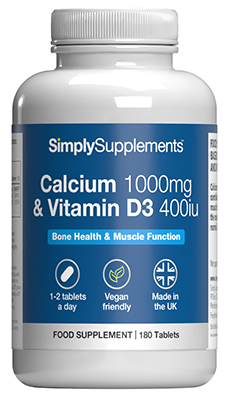
3. Overloading on Supplements
Vitamins, minerals, and powders can be useful but they’re not a substitute for a nourishing diet. In fact, over-relying on supplements can be harmful.
Risks of excessive supplementation:
Nutrient imbalances (too much of one vitamin can block another)
Digestive upset or nausea
Masking an underlying deficiency or health issue
Rule of thumb: focus on whole foods first. Supplements should support your diet, not replace it. A well-balanced plate is always the most powerful foundation.
4. Prioritising Scale Numbers Over Well-Being
Many people equate health with a number on the scale but obsessing over weight can be damaging.
When this is a red flag:
It encourages restrictive eating
When it harms your mental health and self-esteem
If it ignores other important health markers like energy, sleep quality, gut function, and strength
Instead of weight as the sole measure, focus on how your body feels. Are you energised? Sleeping well? Digesting comfortably? Strengthening your body? These are far more meaningful indicators of true health.
5. Cutting Out Entire Food Groups Without a Plan
Eliminating carbs, dairy, gluten, or other food groups might seem like a shortcut to health or weight loss but removing foods without a proper plan can backfire.
Potential issues:
Missing essential nutrients (e.g., calcium, fibre, B vitamins)
Over-relying on processed “alternatives”
Increased stress and anxiety around meals
If you need to avoid food for medical reasons or intolerance, do it mindfully. Reintroduce carefully when appropriate and make sure you’re still eating a balanced diet.
6. Skipping Meals or Eating on a Strict Schedule
Intermittent fasting or skipping breakfast may feel good for some people but it’s not a universal solution.
For many, it may:
Increase stress hormone levels (cortisol)
Trigger bingeing later in the day
Affect energy, mood, and focus
The key: honour your hunger signals. Eating regularly fuels your body, stabilises blood sugar, and supports metabolism. If fasting works for you, make sure it feels sustainable, not punishing.
7. Overemphasis on “Clean Eating”
The clean-eating trend promotes avoiding anything processed foods which can create anxiety, guilt, and an unhealthy relationship with food.
Warning signs:
Labeling foods as “good” or “bad”
Obsessing over every ingredient
Avoiding social situations to stick to rules
Real health is about flexibility. Include nutrient-rich foods most of the time but let yourself enjoy life, treats, and balance without guilt.
8. Over-Reliance on Fitness Trackers
Fitness apps and step counters can be motivating for some but becoming obsessed with numbers can backfire.
Constantly chasing “perfect” data may:
Increase stress and anxiety
Push you to exercise excessively
Make you ignore how your body actually feels
Instead, use trackers as guides, not rules. Pay attention to your energy, mood, and recovery as they are more meaningful indicators of health than numbers alone.
9. Prioritising Appearance Over Function
It’s easy to fall into the trap of exercising or dieting to look a certain way but health is about function first. A strong, nourished, well-rested body is always more sustainable than one trained purely for aesthetics.
Red flags include:
Skipping recovery days to chase visible results
Obsessing over body fat percentages
Restricting foods for cosmetic rather than health reasons
Focus on what your body can do and how it moves, how it feels, and how resilient it is. This mindset supports lifelong health.
10. Over-Cleaning or Over-Detoxing
From detox teas to daily cleansing routines, extreme detoxing is a classic “healthy habit” that can do more harm than good.
Why it’s harmful:
Over-cleansing can disrupt gut bacteria
It can create nutrient deficiencies
It fosters a cycle of guilt and restriction
Your body already detoxifies itself efficiently via the liver, kidneys, and digestive system. Support it with diverse whole foods, hydration, sleep, and stress management, not extreme routines.
11. Ignoring Stress and Sleep
Even the healthiest diet and exercise plan won’t protect you if stress and sleep are ignored.
High stress and poor sleep:
Increase cortisol, which impacts metabolism and hunger
Disrupt gut health
Reduce mental clarity, energy, and mood
Truly healthy routines integrate recovery as much as activity. Meditation, gentle movement, and prioritising sleep are just as important as what’s on your plate.
How to Know if a “Healthy Habit” is Harming You
Ask yourself:
Do I feel energised or drained after this habit?
Does it create guilt, stress, or obsession?
Is it sustainable in the long term?
Does it support my body, mind, and lifestyle, not just a number or ideal?
If you answer “no” to any of these, it may be time to rethink. True health is nourishing, energising, and supportive, not stressful or punishing.
Final Thoughts
Not all healthy habits are inherently good. It’s easy to get caught in trends, rules, and numbers and forget that health is multifaceted. Exercise should energise, eating should nourish, and routines should feel sustainable.
Listen to your body
Focus on energy and wellbeing over appearance or perfection
Nourish with a variety of whole foods
Prioritise recovery and sleep
Stay flexible and compassionate with yourself
When you start viewing habits as supportive rather than restrictive, your health journey becomes less about chasing ideals and more about building a life you can actually enjoy and that your body thrives in.