Your Guide to Meeting Your Protein Needs: Everyday Strategies, Food Sources & Smart Boosters

 Funmi Akinola (Msc, Anutr)
 Protein is one of the most important nutrients for maintaining a strong, resilient, and energised body, yet many people aren’t quite sure how much they need, where to get it from, or how to include enough in a way that feels effortless. Whether your goals involve supporting metabolism, maintaining muscle, improving energy, managing appetite, or optimising health as you age, understanding your protein needs can make daily eating feel more nourishing and balanced.
This guide breaks protein down into the essentials: why it matters, how much to aim for, the best food sources, simple meal add-ons, and where protein powders can fit in as a convenient option, not a necessity.
Why Protein Matters
Protein plays a role in almost every system of the body. It helps:
Build and repair muscle tissues
Support immune function
Keep you feeling fuller for longer
Stabilise blood sugar
Maintain healthy hair, skin, and nails
Produce enzymes, hormones, and antibodies
It’s especially important during periods of higher training, recovery from illness, weight management, or aging (when muscle naturally declines). Getting enough consistently, not perfectly, can make a meaningful difference to how you feel day to day.
How much protein do you actually need?
General recommendations vary depending on age, activity level, goals, and health status. As a broad guide:
Adults typically need 1–1.2 g of protein per kg of body weight per day for general health.
People who are active, training, or wanting to support muscle maintenance may benefit from 1.2–1.6 g/kg.
Older adults (50+) often require slightly more to help maintain muscle mass and strength.
You don’t need to hit your target perfectly each day. What matters is your overall pattern across the week. Aiming for a high protein source at each meal, and adding small boosters where needed, usually covers your bases without any tracking.
Protein Sources: from everyday staples to budget-friendly options
You don’t need fancy products to meet your protein needs. Many affordable, familiar foods offer great amounts of high-quality protein.
1. Animal-based sources:
Chicken, turkey, lean beef
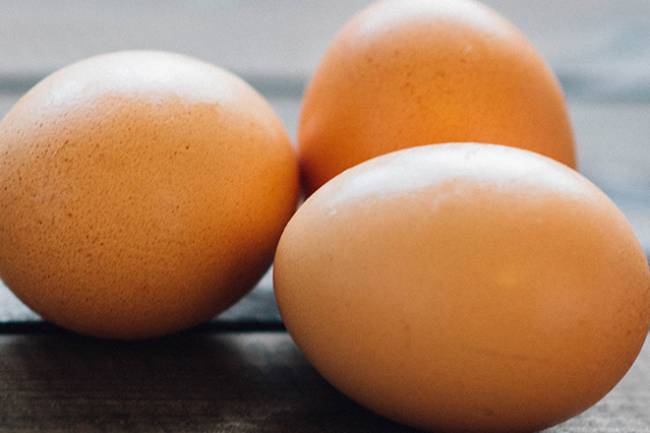
Eggs
Fish & seafood (salmon, mackerel, white fish, prawns)
Greek yoghurt
Cottage cheese, cheese
Milk
2. Plant-based sources:
Lentils (red, green, brown)
Chickpeas and beans (kidney, black, cannellini, butter beans, edamame)
Tofu and tempeh
Quinoa
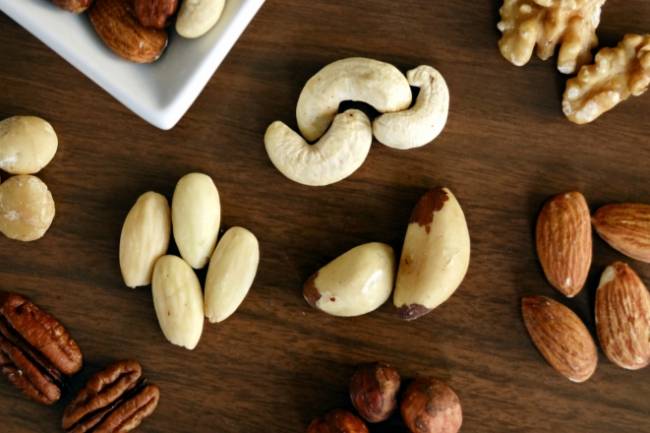
Nuts & seeds (almonds, peanuts, chia, hemp, pumpkin seeds)
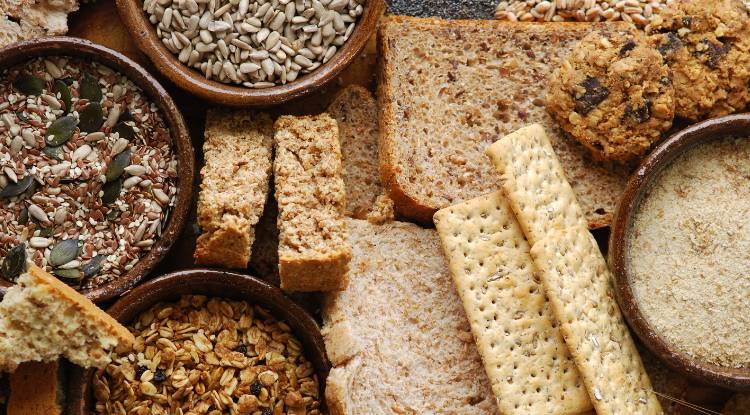
Whole grains (oats, wholegrain pasta, brown rice)
A plant-based meal can easily reach 20–30g protein with thoughtful combinations, like lentils + grains, tofu + edamame, or beans + seeds.
What does 20–30g of protein actually look like?
This amount is a helpful benchmark because research suggests it supports muscle repair, appetite regulation, and blood sugar stability.
Examples include:
2–3 eggs + Greek yoghurt on the side
150g chicken or tofu in a stir-fry
A salmon fillet with vegetables and quinoa
A lentil curry with rice and a side of yoghurt
A chickpea salad topped with seeds and wholegrain pita
A bowl of Greek yoghurt with granola, seeds, and berries
Most meals reach this easily with one good protein portion plus a couple of boosters.
Protein Boosters: the easiest way to increase intake without changing your meals
Protein boosters are small, simple additions that elevate the protein content of your existing meals. They’re especially useful for people with smaller appetites, those trying to eat more regularly, or anyone who wants more nourishment without reinventing their diet.
Eggs & Dairy Boosters
A boiled egg added to lunch
A spoon of cottage cheese mixed into scrambled eggs
A dollop of Greek yoghurt on porridge
Grated cheese stirred into soups or pasta
Plant-Based Boosters
Hemp seeds (10g protein per 30g serving)
Chia or flaxseed
A handful of edamame thrown into noodles or salads
A few tablespoons of cooked lentils added to pasta sauces
Chickpeas tossed through rice or roasted as a topping
Convenience Boosters
High-protein yoghurt pots
Mini hummus pots with veggie sticks
Pre-cooked lentils or bean mixes
Tinned fish added to salads, wraps, pasta, or grain bowls
Boosters keep meals flexible, satisfying, and more nourishing, without adding much preparation.
How to build balanced, Protein - Rich Meals
A helpful formula for building meals that keep you energised is:
Protein + Complex Carbohydrates + Healthy fats + Colour
Choose a protein then add wholegrains or starchy veg, non-starchy veg for colour and micronutrients, a source of fat, plus herbs, spices, and sauces for taste.
Example combinations:
Breakfast: Greek yoghurt + oats + berries + chia seeds
Lunch: Chickpea salad + mixed veg + quinoa + tahini dressing
Dinner: Salmon + roasted potatoes + green veg + herbs + lemon
Snacks: Peanut butter on wholegrain toast, cottage cheese with fruit, edamame
This pattern naturally stabilises blood sugar, improves satiety, and supports gut health alongside your protein intake.
Where Protein Powders fit in
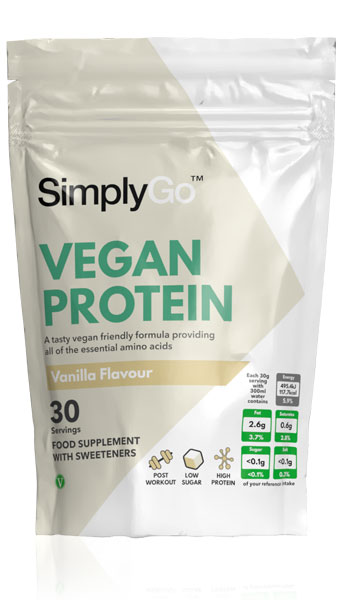
Protein powders aren’t essential, but they can be incredibly helpful for convenience, appetite changes, busy schedules, or higher protein needs.
What protein powders do well:
Boost the protein content of smoothies, pancakes, porridge, yoghurt, or snacks
Provide an easy option on days when appetite is low
Support muscle recovery after workouts
Bridge gaps for people who struggle to hit protein goals through food alone
Popular types of protein powder:
Whey: fast-digesting, complete protein, excellent for recovery
Casein: slower-digesting, keeps you full longer
Soy, pea, rice or blends: good plant-based alternatives
Hemp: higher in fibre, naturally plant-based
How much to use?
Typically, one serving may offer 10–25g protein. It’s perfectly fine to enjoy a shake, but you can also stir it into:
Oats (“proats”)
Yogurt bowls
Baking
Smoothies
Overnight oats
Think of powder as a tool, not a rule. It complements your diet; it doesn’t replace food.
Simple ways to meet your daily protein needs without thinking too hard
Try these gentle, intuitive habits:
Include a protein source at every meal
Whether that’s eggs, tofu, Greek yoghurt, fish, beans, lentils, cottage cheese, or chicken.
Use boosters to top up your meals
A sprinkle of seeds, extra lentils, nuts, edamame, cheese, or yoghurt can make a big difference.
Spread intake across the day
This helps with appetite, blood sugar, and muscle support.
Plan with flexibility
You don’t need perfect macro balance. Aim for consistency, not rigidity.
Keep convenient protein foods on hand
Frozen edamame, eggs, tinned fish, Greek yoghurt, tofu, lentils, hummus, or a protein powder you enjoy.
Example day of Balanced Protein Eating
Breakfast: Greek yoghurt + granola + hemp seeds + berries
Snack: Apple + peanut butter
Lunch: Lentil soup + wholegrain bread spread with cottage cheese
Snack: Carrot sticks + hummus
Dinner: Salmon + potatoes + greens + herbs
Optional booster: Protein shake after a workout
This easily reaches 90–110g protein without fuss.
Final Thoughts
Meeting your protein needs isn’t about rigid tracking, dramatic diet changes, or relying on supplements. It’s about creating meals that feel satisfying, supportive, and energising. By building each meal around a protein source, using simple boosters, and leaning on both plant and animal options that you genuinely enjoy, you’ll naturally find your rhythm.
Sources:
https://pubs.rsc.org/en/content/articlelanding/2016/fo/c5fo01530h