5 Ways to Support Your Heart Health This Heart Health Month
 Funmi Akinola (Msc, Anutr)
 Heart disease remains one of the leading causes of death globally, but the good news is that many risk factors are within our control. By making targeted lifestyle changes, you can significantly support your cardiovascular system and reduce your risk of heart-related issues.
This Heart Health Month, consider these five evidence-based strategies to protect and nourish your heart.
Increase Soluble Fibre Intake
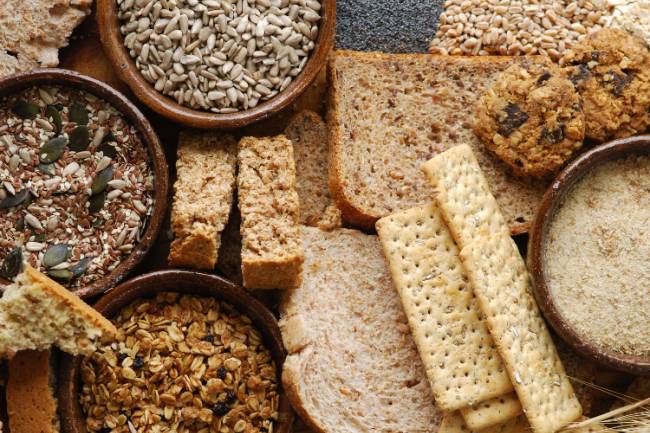
Soluble fibre is a type of dietary fibre that dissolves in water to form a gel-like substance in the gut. Research consistently shows that soluble fibre can help lower LDL cholesterol, the “bad” cholesterol, by binding cholesterol-rich bile acids in the digestive system and helping to remove it from the body. Lowering LDL cholesterol is a key step in reducing the risk of atherosclerosis, heart attacks, and strokes.
Practical ways to add soluble fibre:
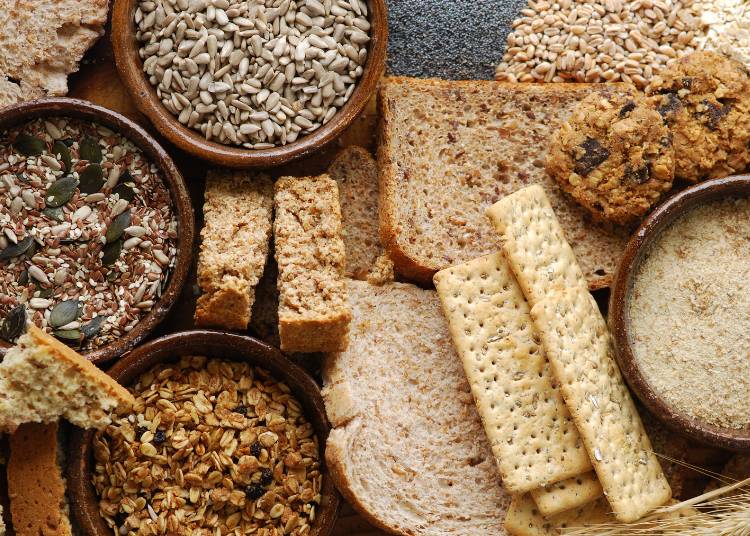
Oats: Oats are one of the richest sources of beta-glucans, a type of soluble fibre shown to help lower cholesterol. Around 3 g of beta-glucans per day has been associated with cholesterol-lowering benefits. Starting your morning with porridge or overnight oats is a simple way to move towards this target. You can also use oats to make fibre-rich snacks, such as energy bites or baked oat bars, or blend them into smoothies for an easy, subtle fibre boost.
Legumes: Beans, lentils, and chickpeas are excellent sources of soluble fibre and are often inexpensive and convenient. Tinned or ready-cooked pouches make them easy to add to soups, salads, curries, and stews for a simple fibre upgrade. They also provide plant protein, making meals more satisfying and supportive of heart health.
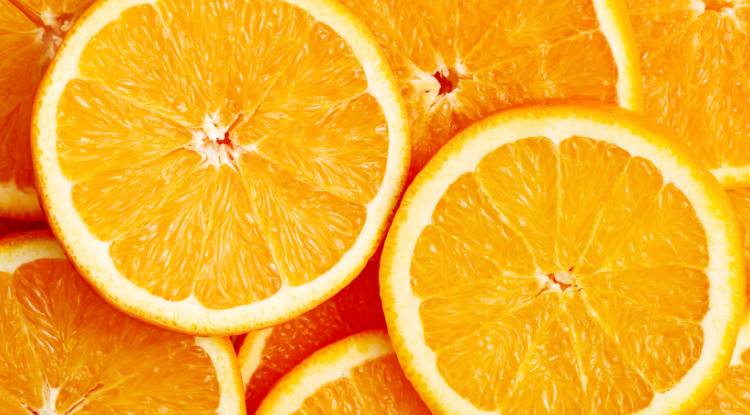
Fruits and vegetables: Eating a wide variety of fruits and vegetables, aiming for at least five portions a day, plays an important role in supporting heart health and is associated with a reduced risk of cardiovascular disease. Foods particularly rich in soluble fibre include apples, pears, citrus fruits, carrots, and avocado. Aim to eat the rainbow and use each meal or snack as an opportunity to add another portion of heart-nourishing produce.
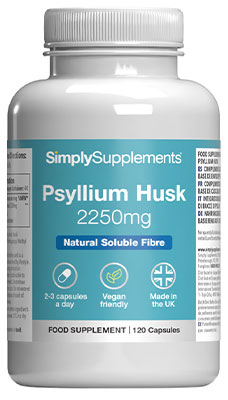
Psyllium husk: Psyllium husk is a concentrated source of soluble fibre that forms a gel-like substance in the gut, helping to lower LDL cholesterol and support digestive health. It can be stirred into yoghurt, blended into smoothies, or mixed with water. If using psyllium, start with a small amount and increase gradually, ensuring adequate fluid intake to avoid digestive discomfort.
The recommended daily fibre intake for adults is around 25–30 g, with at least 5–10 g coming from soluble fibre. Increasing fibre gradually can help minimise bloating or discomfort, and drinking plenty of water is essential for fibre to work effectively.
Prioritise Oily Fish or Omega-3s
Oily fish such as salmon, mackerel, sardines, and trout, are rich in long-chain omega-3 fatty acids, particularly EPA and DHA. Multiple studies demonstrate that these fats can reduce triglycerides, lower blood pressure, decrease inflammation, and support a healthy heart rhythm. For people who don’t eat fish, a high-quality omega-3 supplement is important.
Practical tips:
Eat two to three portions of oily fish per week: A portion is roughly 140 grams cooked.
Omega-3 supplements: If you’re vegetarian, vegan, or just don’t enjoy fish, algae-based omega-3 supplements provide EPA and DHA.
Cooking tips: Baking or grilling fish with herbs and lemon preserves nutrients and avoids added saturated fats.
Omega-3 fatty acids can be especially supportive for people with raised triglycerides or an increased risk of cardiovascular disease, as they help lower triglyceride levels.
Move Your Body Regularly
Exercise is a cornerstone of cardiovascular health. Physical activity strengthens the heart muscle, improves circulation, helps maintain a healthy weight, and supports healthy blood pressure and cholesterol levels. Both aerobic and resistance exercises contribute to heart protection.
How to incorporate movement:
Aerobic activity: Aim for at least 150 minutes of moderate-intensity activity per week (like brisk walking, cycling, swimming) or 75 minutes of vigorous activity.
Strength training: Include resistance exercises 2–3 times per week to build muscle, support metabolism, and improve vascular health.
Incorporate movement daily: Small habits, such as walking or cycling to work, using stairs instead of lifts, or short movement breaks during the day, make a big difference over time.
Importantly, exercise also improves insulin sensitivity and helps manage stress, both of which are linked to better heart outcomes. Even a few minutes of intentional movement multiple times a day is valuable for heart health and regular aerobic exercise has been shown to improve HDL cholesterol, “the good cholesterol” by 5% within two months.
Reduce Saturated Fat and Make Smart Fat Choices
Saturated fat, found in foods like fatty cuts of meat, butter, and some processed foods, can raise LDL cholesterol, increasing heart disease risk. Shifting the balance toward unsaturated fats, particularly monounsaturated and polyunsaturated fats, supports healthy cholesterol profiles and overall cardiovascular health.
Practical swaps:
Butter → Olive or rapeseed oil: Use these oils for cooking or drizzling on vegetables.
Fatty meats → Lean meats or plant-based proteins: Chicken, turkey, tofu, tempeh, and lentils are excellent alternatives.
Snacks: Be mindful of pastries or crisps and prioritise healthy snacks like nuts, seeds, fresh fruits and dark chocolate.
Beyond reducing saturated fat, intentionally including polyunsaturated fats like omega-3s from fish, walnuts, and flaxseed can further improve lipid profiles.
Manage Stress and Prioritise Sleep
Stress and sleep are often overlooked but have profound impacts on heart health. Chronic stress triggers the release of cortisol and adrenaline, which can raise blood pressure and encourage inflammation.
Poor sleep is associated with higher rates of obesity, hypertension, and heart disease.
Strategies for heart-supportive stress management:
Mindfulness or meditation: Even 5–10 minutes daily can lower heart rate and blood pressure over time.
Breathwork: Simple diaphragmatic breathing exercises can calm the nervous system.
Social support: Connecting with friends, family, or support groups improves mental wellbeing and heart health.
Sleep tips:
Aim for 7–9 hours of quality sleep per night.
Keep a consistent bedtime routine and limit screens before bed.
Ensure your sleep environment is dark, quiet, and cool.
Short sleep duration and ongoing high stress have both been associated with a greater risk of cardiovascular disease in observational research. While the exact level of risk varies between studies, consistently sleeping fewer than six hours per night and experiencing chronic stress appear to be linked with poorer heart health outcomes.
Supporting stress management and prioritising good sleep hygiene are therefore important components of an overall heart-protective lifestyle.
Putting It All Together
Supporting your heart is about making consistent, sustainable choices rather than drastic measures.
Here’s a simple framework to implement these five strategies:
Increase soluble fibre: Include oats in your breakfast, add beans or lentils to salads and soups, and snack on fruit throughout the day.
Prioritise omega-3s: Incorporate oily fish into at least two meals per week or consider a supplement if you don’t regularly eat fish.
Stay active: Combine aerobic and resistance exercise, and add small bursts of movement throughout your day. Explore different types of activity to discover what you enjoy and can maintain consistently.
Choose healthy fats: Limit saturated fats and include unsaturated fats from plant and marine sources, such as olive oil, nuts, seeds, and fatty fish.
Support rest and wellbeing: Practise mindfulness or other stress-reduction techniques, optimise sleep, and nurture supportive relationships.
Remember, small, consistent steps compound over time. Incorporating even two or three of these strategies can make a measurable difference to your heart health and overall wellbeing.
Heart Health Month is a perfect time to start, or reinforce these habits. By nourishing your body with the right foods, moving regularly, and caring for your mind, you’re investing in a heart that can serve you for decades to come.