How to Build a Balanced Shopping List

 Funmi Akinola (Msc, Anutr)
 A balanced shopping list isn’t about perfection, restriction, or obsessing over what you “should” eat. It’s about creating a foundation that makes nourishing yourself easier, more joyful, and far less stressful. When your kitchen is stocked with foods that support good energy, steady mood, gut health, and satisfying meals, everything about eating well becomes simpler.
Think of your shopping list as a quiet act of self-care. It’s not a diet plan, it’s a structure that holds you throughout the week, helping you make choices that feel good in your body and your life.
Below is a clear, supportive guide for building a balanced, flexible shopping list you can return to over and over again.
1. Start With Your Weekly Reality (Not Your Ideal Week)
Before you think about food, think about your week.
How busy is work?
Do you have evening plans?
Will you be eating out?
Are there days you need fast meals?
Do you want to try a new recipe?
One of the biggest reasons people waste food or fall back into chaotic eating is because their list doesn’t match their lifestyle. A balanced list starts with honesty about your upcoming schedule. If it’s a heavy week, lean into convenience. If you have more time, you can add ingredients for recipes you want to try.
2. Use the “Core Four” Framework
A simple way to build a balanced list is to follow the Core Four categories:
Produce (fruit + veg)
Proteins
Fibre-rich carbs
Fats and flavour
This structure keeps your list grounded without boxing you into strict rules.
Let’s break each one down.
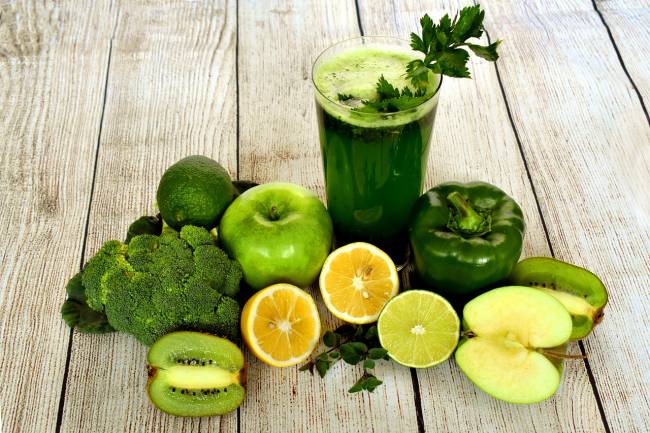
3. Fill Your Basket With Colourful Produce
Your body and your microbiome thrive on variety. Colour = different plant chemicals that support immunity, gut health, energy, and mood.
Choose:
2–3 fruits for snacking or breakfast
4–5 veg you know you’ll actually use
1–2 convenience options (frozen mixed veg, bagged salads, pre-chopped onions, ready-to-roast trays)
1 new fruit or veg to try
Simple produce ideas:
Berries, grapes, apples, satsumas
Leafy greens, peppers, carrots, broccoli
Garlic, ginger, fresh herbs for flavour
Frozen peas, spinach, mixed veg (a lifesaver on busy weeks)
Focus on usefulness, not perfection. A bag of pre-chopped stir-fry veg is better than whole vegetables you never get round to preparing.
4. Pick the Protein Sources You Enjoy
Protein helps you stay satisfied, supports hormones, builds muscle, and stabilises blood sugar.
Options include:
Chicken thighs or breast
Salmon, mackerel, prawns
Tofu, tempeh
Beans (kidney beans, chickpeas), lentils
Eggs
Greek yoghurt or skyr
Tinned fish (tuna, sardines, salmon—cheap and nutritious)
If you struggle to hit your protein goals, add:
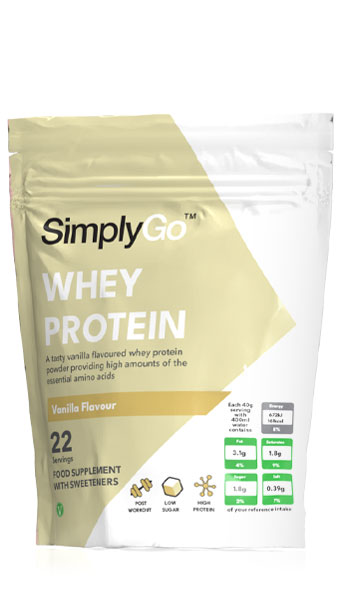
a protein powder you enjoy (for smoothies, oats, or baking),
or high-protein snacks like boiled eggs, edamame, or cheese portions.
5. Fibre-Rich Carbs: Your Gut and Energy Will Thank You
Carbs are not the enemy. They’re your brain’s preferred fuel, and fibre-rich carbohydrates help keep digestion smooth and your microbiome well-fed.
Options include:
Oats
Wholegrain bread or wraps
Brown rice or microwavable grains
Potatoes or sweet potatoes
Beans, chickpeas, lentils (they count as both carbs + protein)
Wholewheat pasta
Quinoa or buckwheat
6. Healthy Fats and Flavour Boosters
These turn meals from bland to satisfying, and they’re essential for hormone health, brain function, and absorbing fat-soluble vitamins.
Good staples:
Olive oil
Avocados
Nuts + seeds
Nut butter
Dark chocolate (yes, it belongs here!)
Pesto, salsa, tahini
Spices, stock cubes, garlic paste, chilli flakes
Flavour boosts mean you’re more likely to enjoy, and therefore stick to balanced meals.
7. Add Convenience Wins (These Save You All Week)
Nobody is “too good” for convenience food. It’s not lazy; it’s strategic. These options help you build meals fast when you’re tired or stressed.
Great additions:
Microwavable rice or grains
Ready-made soups
Pre-cooked chicken or falafel
Frozen berries
Frozen fish
Stir-fry veggie bags
Ready-made pasta sauces
Tinned tomatoes, tinned beans
Wraps or pitta breads
Convenience foods make balanced eating sustainable.
8. Don’t Forget Snacks and Quick Energy Boosters
Snacking is not a failure, it’s part of a healthy pattern. Well-chosen snacks steady your energy and prevent chaotic hunger later.
Snack ideas:
Greek yoghurt + fruit
Nuts or trail mix
Oat bars with fibre
Boiled eggs
Crackers + hummus
Cheese + fruit
Smoothie ingredients
Dark chocolate
Popcorn
9. Build Your List By Planning 3–4 Anchor Meals
You don’t need to plan every meal. Just choose a few anchor ideas and let the rest fall together.
Examples:
Stir-fry with tofu or chicken + rice
Salmon, potatoes, and greens
Veggie pasta with lentils or prawns
A big soup or stew for lunches
Wraps or burrito bowls
Once you know your anchors, your list writes itself.
10. Keep a “Use-Up” Section to Reduce Waste
Every balanced shopping list should include a quick scan of what you already have:
Veg that needs using
Leftover grains
Half-used jars
Frozen bits and pieces
Fruit you can turn into smoothies
Use-up ingredients help you save money and avoid throwing out food. Plus, creativity in the kitchen often starts with “What do I need to finish?”
11. Make Room for Joy Foods
A list that only includes “healthy” ingredients will never feel balanced. Food is cultural, emotional, social, and spiritual. You can care about your health and pick up foods you simply enjoy.
Think:
your favourite dessert,
crisps you love,
hot chocolate for cosy evenings,
a bakery treat,
celebratory foods with family,
or anything that brings pleasure.
Joy is a nutrient too. When it’s included intentionally, it reduces guilt and stops the restrict-binge cycle.
Final Thoughts: Balanced Shopping Starts With Compassion
A balanced shopping list isn’t about controlling your eating, it’s about supporting and nourishing yourself. It’s a way of saying: “I deserve meals that nourish me, satisfy me, and make my life easier.”
It helps reduce decision fatigue, saves money, and sets you up for steady energy and calmer eating patterns. And most importantly, it supports a healthy approach where nourishment and enjoyment work side-by-side.