6 Nutrition Hacks That Genuinely Make a Difference
 Funmi Akinola (Msc, Anutr)
 When it comes to nutrition, it is easy to assume that improving your health requires dramatic overhauls, complicated meal plans or expensive superfoods.
Certain preparation methods can influence blood sugar response, nutrient availability and the formation of beneficial compounds. These are not gimmicks. They are simple, evidence-informed techniques that enhance what you are already eating.
Here are six evidence-based nutrition strategies that can make everyday meals work harder for your health.
Freeze Your Bread
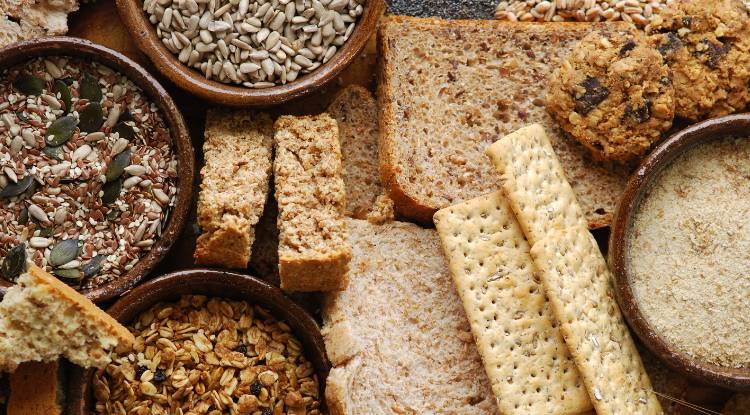
Freezing bread is one of the simplest ways to slightly improve its metabolic impact without changing what you eat. When bread is frozen and then thawed or toasted, some of its digestible starch undergoes structural changes. A portion converts into resistant starch, a type of carbohydrate that resists digestion in the small intestine and behaves more like fibre. Instead of being rapidly broken down into glucose, resistant starch travels to the large intestine where it feeds beneficial gut bacteria and contributes to the production of short-chain fatty acids such as butyrate.
From a blood sugar perspective, this can modestly reduce the post-meal glucose and insulin response compared to freshly baked bread.
It is not a dramatic transformation, but it is a meaningful shift, particularly for those working on blood sugar regulation, appetite control or metabolic health. Freezing also preserves freshness and reduces food waste, making it a practical habit.
The key is to freeze sliced bread as soon as possible after purchase and toast directly from frozen. It is a small, low-effort change that allows a staple food to work slightly harder for your health.
Cook, Cool and Reheat Your Starches
Rice, potatoes, pasta and oats all contain starch, which is typically digested into glucose in the small intestine. However, when these foods are cooked and then cooled, part of their starch structure reorganises through a process known as retrogradation.
During cooling, some of the starch crystallises into resistant starch, making it less readily digested.
This shift can lower the glycaemic response of the meal, meaning a gentler rise in blood sugar and insulin. Resistant starch also acts as a fermentable fibre, supporting the gut microbiome and contributing to satiety. Importantly, reheating these cooled starches does not fully reverse the process. A proportion of the resistant starch remains intact, so you still retain the metabolic benefit.
Practically, this might look like batch cooking and cooling rice before reheating, preparing a pasta salad from cooled pasta, or using chilled boiled potatoes for a salad. This approach is particularly helpful for those managing insulin resistance or working towards improved metabolic flexibility. It is not about removing carbohydrates, but about preparing them in a way that supports steadier energy and better gut health.
Chop Broccoli and Leave It
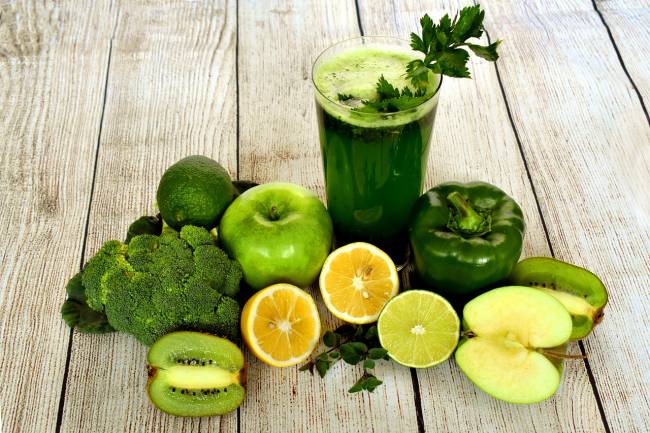
Cruciferous vegetables such as broccoli contain compounds called glucosinolates, which are relatively inactive on their own. When broccoli is chopped, chewed or crushed, an enzyme called myrosinase is activated. This enzyme converts glucosinolates into sulforaphane, a bioactive compound that has been widely studied for its antioxidant and anti-inflammatory properties, as well as its potential role in supporting detoxification pathways.
The important detail is that heat can deactivate myrosinase. If broccoli is cooked immediately after chopping, the enzyme may be destroyed before significant sulforaphane is formed. By chopping broccoli and leaving it to sit for around 30 to 45 minutes before cooking, you allow myrosinase to complete this conversion while it is still active.
This small pause can meaningfully increase the amount of sulforaphane available. If using frozen broccoli, which has usually been blanched, adding a small amount of raw mustard, rocket or radish after cooking can help, as these foods also contain myrosinase. It is a simple preparation tweak that enhances the nutritional value of an already powerful vegetable.
Pair Iron with Vitamin C
Iron is essential for oxygen transport, energy production and cognitive function, yet iron deficiency remains common. The form of iron found in plant foods, known as non-haem iron, is less readily absorbed than haem iron from animal sources. Its absorption is also influenced by other compounds present in the meal.
Vitamin C significantly enhances non-haem iron absorption by converting it into a more soluble form and counteracting inhibitors such as phytates and certain polyphenols. This means the context in which iron-rich foods are eaten can be just as important as the iron content itself.
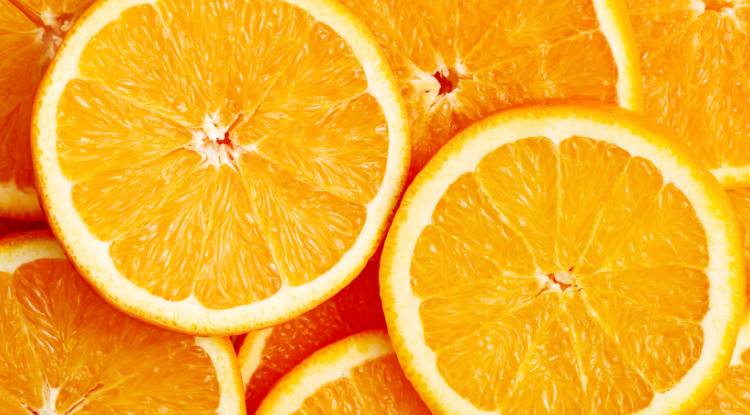
A squeeze of lemon over lentils, adding peppers to a bean salad or including citrus fruit alongside a plant-based meal can substantially increase iron uptake. Equally important is being mindful of tea and coffee around iron-rich meals, as their tannins can reduce absorption.
This strategy is especially valuable for those following predominantly plant-based diets, menstruating women and individuals with marginal iron status.
Add Fat to Absorb Fat-Soluble Nutrients
Not all nutrients are absorbed equally, and some require dietary fat for optimal uptake. Vitamins A, D, E and K are fat-soluble, meaning they dissolve in fat rather than water. The same applies to carotenoids such as beta-carotene in carrots and lycopene in tomatoes.
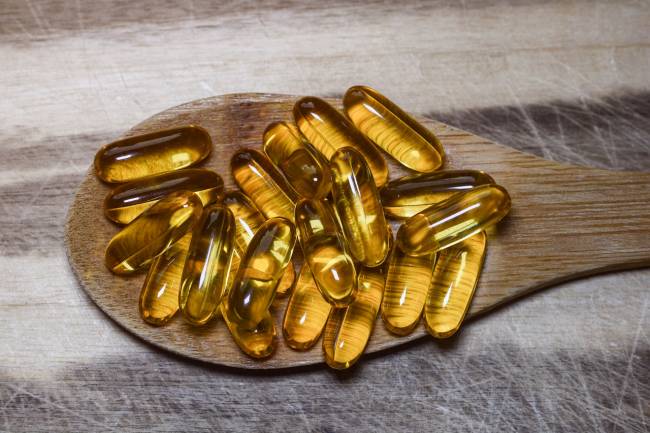
If vegetables rich in these compounds are eaten without any fat, absorption can be significantly reduced. Adding even a modest amount of healthy fat stimulates bile release and improves the incorporation of these nutrients into micelles, which are necessary for absorption in the small intestine.
This does not require large quantities. A drizzle of olive oil over roasted vegetables, a handful of nuts on a salad or slices of avocado alongside leafy greens can substantially increase bioavailability. Cooking tomatoes in olive oil, for example, enhances lycopene absorption far more than eating them raw and fat-free.
Rather than fearing fat, this approach recognises its functional role in nutrition. Used wisely, fat is not just a source of energy, but a facilitator of nutrient absorption and overall dietary quality.
Soak and Rinse Legumes
Legumes such as beans, lentils and chickpeas are rich in fibre, plant protein, minerals and phytochemicals. However, they also contain compounds such as phytates and certain fermentable carbohydrates (FODMAPs) that can affect mineral absorption and digestive comfort in some individuals.
Soaking dried legumes before cooking can reduce phytate levels and improve mineral bioavailability. It can also shorten cooking time and improve texture. For tinned legumes, thoroughly rinsing under running water removes excess sodium and washes away some of the fermentable carbohydrates that may contribute to bloating in certain individuals.
These steps do not eliminate all anti-nutrients, nor should they. Phytates can have beneficial antioxidant properties. However, soaking and rinsing strike a practical balance, improving digestibility while preserving nutritional value.
For those increasing fibre intake or transitioning towards a more plant-forward pattern of eating, this simple preparation method can make legumes easier to tolerate and more effective as a regular staple. It is a small act of preparation that enhances both comfort and nutritional return.
Small Shifts, Meaningful Impact
Nutrition isn't just about what you eat, it's also about how you prepare, combine, and consume it. These subtle adjustments can meaningfully enhance nutrient bioavailability, glycaemic control, and gut health.
Sources:
https://pubmed.ncbi.nlm.nih.gov/17426743/
https://pmc.ncbi.nlm.nih.gov/articles/PMC10987757/
https://pmc.ncbi.nlm.nih.gov/articles/PMC7802872/
https://ods.od.nih.gov/factsheets/VitaminC-HealthProfessional/
https://www.ncbi.nlm.nih.gov/books/NBK534869/
https://pmc.ncbi.nlm.nih.gov/articles/PMC4325021