Festive Foods That Are Good for Your Health

 Funmi Akinola (Msc, Anutr)
 When people think about December eating, the first words that often come to mind are “indulgent,” “heavy,” or “off track.” We’re culturally conditioned to assume festive foods are the opposite of health-supportive, something to be enjoyed now and “worked off” later.
But here’s the truth: So many traditional festive foods are naturally good for your body, your gut, and your overall wellbeing.
They’re rich in antioxidants, vitamins, fibre, healthy fats, and mood-supportive nutrients. There is so much nourishment already woven into the foods we eat at this time of year, you just need a different lens to see it.
This is where the non-diet approach feels beautifully freeing. Instead of categorising festive foods as “good” or “bad,” you learn to notice what each food can offer you and how it supports energy, digestion, immunity, or mood. And then you enjoy it without guilt. Let’s explore the festive foods that genuinely enhance your health.
1. Clementines and Citrus Fruits: The Bright Winter Boost
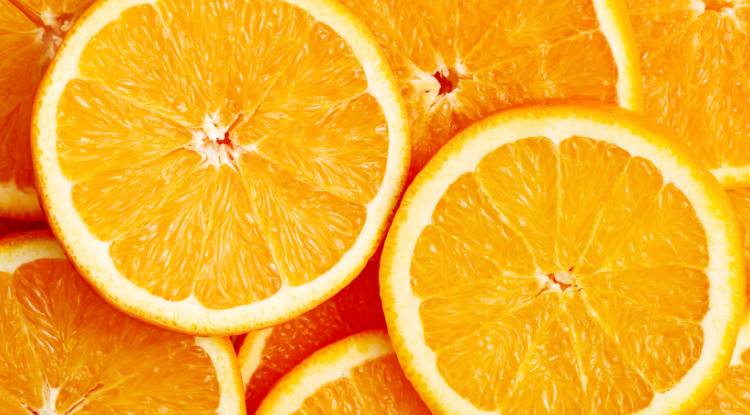
Clementines, satsumas, oranges, and grapefruit are December staples for good reason. Their scent feels instantly festive, and their nutritional profile is powerful.
Why they’re good for you:
High in vitamin C, which supports immunity during cold season
Rich in antioxidants that protect cells from winter stress
Hydrating and fibre-containing
Naturally uplifting for your mood (the gut-brain axis loves citrus)
Easy additions:
Keep a bowl of clementines on your counter
Add orange segments to winter salads
Squeeze lemon into soups, roasted veg, or warm water
2. Cranberries: Tiny Jewels Packed With Antioxidants
Fresh or dried, cranberries bring that distinctive tart flavour that makes December feel like December. But they’re also nutritional powerhouses.
Why they’re good for you:
One of the richest sources of polyphenols
Support gut health and the urinary tract
Anti-inflammatory benefits
Easy additions:
Add dried cranberries to granola, porridge, or salads
Use fresh cranberries in sauces or bakes
Sprinkle over roasted Brussels sprouts or cabbage
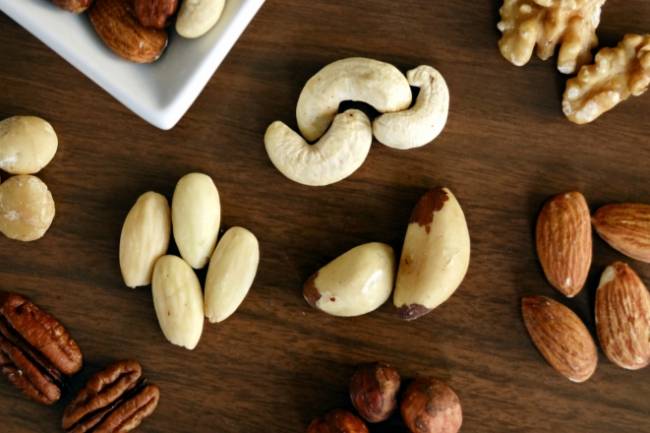
3. Nuts: The Festive Snack Full of Healthy Fats
Bowls of nuts at Christmas aren’t just tradition, they’re deeply nourishing.
Why they’re good for you:
High in healthy fats that support brain health
Provide magnesium, which helps with relaxation and sleep
Stabilising for blood sugar
Rich in fibre for gut support
Especially good choices: walnuts, almonds, Brazil nuts, and pecans.
Easy additions:
A handful as a snack
Crushed nuts over yogurt, porridge, or roast veg
Added into stuffing or festive salads
4. Red Cabbage: A Winter Gut Health Star
Red cabbage is one of the most underrated festive ingredients. It’s inexpensive, versatile, and incredibly nutrient-dense.
Why it’s good for you:
High in fibre for digestion
Rich in anthocyanins (the antioxidants that give it that deep purple colour)
Supports the gut microbiome
Contains vitamin K and vitamin C
Easy additions:
Braised red cabbage with apples
Shredded in winter slaws
Roasted with balsamic and pomegranate
It adds colour, crunch, and a clear gut-supportive punch.
5. Brussels Sprouts: Fibre, Folate, and Antioxidants
Love them or hate them, sprouts are loaded with nutrients your body needs in winter.
Why they’re good for you:
Rich in fibre for gut health
Contain sulforaphane, a compound linked to reduced inflammation
High in vitamin C
Support liver detoxification (your body’s natural process, not the juice cleanse kind)
Easy additions:
Roast with garlic and olive oil
Add pomegranate seeds and walnuts
Toss into stir-fries or shred into salads
6. Pomegranate Seeds: The Festive Antioxidant Burst
Few foods look as festive as pomegranate. And their nutrient profile makes them ideal for cold weather.
Why they’re good for you:
Very high in antioxidants
Anti-inflammatory
Support blood flow and heart health
Provide polyphenols that fuel gut microbes
Easy additions:
Sprinkled over salads, yogurt, or roasted vegetables
Mixed into couscous or rice dishes
Added as a colourful topping to festive platters
7. Turkey: A Lean Protein That Supports Mood and Energy
We often talk about plant foods at this time of year, but turkey deserves its moment. It’s more than just a centrepiece.
Why it’s good for you:
A great source of protein
High in B vitamins for energy
Contains tryptophan, a precursor to serotonin (your feel-good neurotransmitter)
Low in saturated fat
Easy additions:
Enjoy leftovers in soups or wraps
Add sliced turkey to winter salads
Use it in homemade bone broth for gut support
Protein keeps you fuller and stabilises energy throughout busy December days.
8. Chestnuts: The Cosy, Carby Winter Comfort
Chestnuts feel nostalgic, warm, and soothing. They’re also surprisingly nutritious.
Why they’re good for you:
Higher in fibre than most nuts
Contains vitamin C (rare for nuts!)
Provide slow-release carbohydrates
Naturally gluten-free
Easy additions:
Add roasted chestnuts to stuffing
Mix into salads
Snack on them warm
9. Cinnamon, Nutmeg, Ginger, and Cloves: The Spice Quartet That Supports Your Body
The spices that fill kitchens with that unmistakable December aroma make healthy additions effortless.
Why they’re good for you:
Cinnamon helps with blood sugar regulation
Ginger supports digestion and reduces inflammation
Nutmeg contains antioxidants
Cloves are antimicrobial and rich in polyphenols
Easy additions:
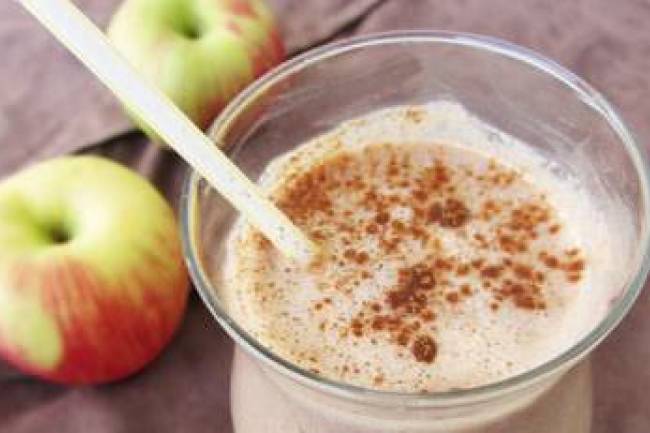
Add to warm drinks
Mix into oats or yogurt
Use in roasted veg and winter bakes
10. Dark Chocolate: Yes, It Belongs on This List
Dark chocolate (70%+) is full of polyphenols and supports both heart health and mood.
Why it’s good for you:
Rich in antioxidants
Stimulates the release of endorphins
Contains magnesium
Supports the gut microbiome
Easy additions:
Enjoy a few squares after dinner
Grate a little over porridge
Melt into hot chocolate with cinnamon
11. Smoked Salmon: The Holiday Staple Loaded With Omega-3s
Smoked salmon is a well-loved festive food that also happens to be incredibly supportive for your brain and mood.
Why it’s good for you:
High in omega-3 fatty acids
Anti-inflammatory
Provides vitamin D (useful in winter)
A great source of protein
Easy additions:
Add to scrambled eggs
Serve on oatcakes or wholegrain bread
Use in salads with citrus and dill
12. Mulled Wine Ingredients: Surprisingly Nutrient-Rich
Not the alcohol itself, but the fruits and spices used in mulled wine offer real benefits.
Orange slices → vitamin c
Cloves → antimicrobial polyphenols
Cinnamon → blood sugar support
Star anise → digestive aid
You can even make alcohol-free mulled cider or juice and still enjoy the goodness.
Reframing Festive Eating: Pleasure and Nourishment Can Coexist
The heart of a non-diet approach is this: you’re allowed to enjoy food, celebrate, relax, and still support your health, all at the same time.
Many of the festive foods we all love and enjoy are deeply nourishing, fibre-filled, antioxidant-rich, mood-supportive, and comforting in ways your body genuinely responds to. The more we recognise this, the more meals become more colourful, balanced and digestion feels calmer.