Common Supplements for Heart Health
 Funmi Akinola (Msc, Anutr)
 Cardiovascular disease remains one of the leading causes of morbidity and mortality worldwide. While medication and clinical care are essential where indicated, lifestyle remains the cornerstone of prevention and risk reduction. A dietary pattern rich in fibre, colourful plant foods, quality protein and healthy fats, alongside regular movement, restorative sleep and stress management, provides the foundation for a healthy cardiovascular system.
Within this framework, targeted supplementation can offer additional support. Certain nutrients and botanical compounds have been studied for their effects on blood lipids, blood pressure, endothelial function, inflammation and oxidative stress, all key contributors to cardiovascular risk.
Below is a structured overview of some of the most commonly used supplements for heart health.
Coenzyme Q10 (CoQ10)
Coenzyme Q10 is a fat-soluble compound naturally synthesised in the body. It plays a central role in mitochondrial energy production by facilitating the generation of adenosine triphosphate (ATP), the primary energy currency of the cell. Given the heart’s continuous workload and high metabolic demand, adequate CoQ10 levels are particularly important for supporting cardiac function.
CoQ10 also functions as an antioxidant, helping to neutralise reactive oxygen species and reduce oxidative stress. Oxidative damage is implicated in endothelial dysfunction, arterial stiffness and the development of atherosclerosis.
CoQ10 levels decline with age and may be reduced in individuals taking statin medications, as statins inhibit the same biochemical pathway involved in CoQ10 synthesis.
Research suggests CoQ10 supplementation may:
Support healthy blood pressure levels
Improve endothelial function
Reduce oxidative stress markers
Support cardiac function in certain populations
While not a replacement for medical treatment, CoQ10 may be a supportive adjunct, particularly in individuals with increased oxidative stress or reduced endogenous production.
Red Yeast Rice
Red yeast rice is produced by fermenting rice with the yeast Monascus purpureus. It contains naturally occurring compounds known as monacolins, including monacolin K, which is chemically identical to lovastatin, a prescription statin medication.
By inhibiting the enzyme HMG-CoA reductase, red yeast rice reduces endogenous cholesterol synthesis in the liver, leading to reductions in low-density lipoprotein (LDL) cholesterol.
Clinical studies have demonstrated that red yeast rice can:
Lower LDL cholesterol levels
Reduce total cholesterol
Modestly improve lipid profiles
However, because of its statin-like mechanism, red yeast rice may carry similar considerations, including potential muscle-related side effects and liver enzyme elevations. Product quality and standardisation are important, as monacolin content can vary significantly between supplements.
Red yeast rice should be used cautiously and under appropriate guidance, particularly in individuals already taking lipid-lowering medication.
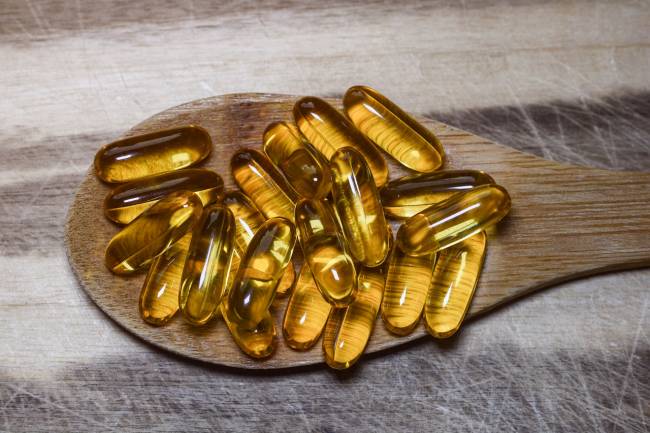
Omega-3 Fatty Acids (EPA and DHA)
Long-chain omega-3 fatty acids, specifically eicosapentaenoic acid (EPA) and docosahexaenoic acid (DHA), are among the most extensively researched nutrients in cardiovascular health.
These fatty acids play key roles in inflammation regulation, membrane fluidity and vascular function. Western dietary patterns often contain disproportionately high levels of omega-6 fatty acids relative to omega-3s, potentially contributing to a pro-inflammatory state.
Evidence indicates that omega-3 supplementation may:
Reduce triglyceride levels
Support healthy blood pressure
Improve endothelial function
Decrease platelet aggregation
Exert anti-inflammatory effects
Higher therapeutic doses have been used in clinical settings to significantly reduce elevated triglycerides. Oily fish such as salmon, sardines and mackerel remain ideal dietary sources; however, supplementation can be beneficial when dietary intake is insufficient.
When selecting an omega-3 supplement, quality, purity and adequate EPA/DHA content are key considerations.
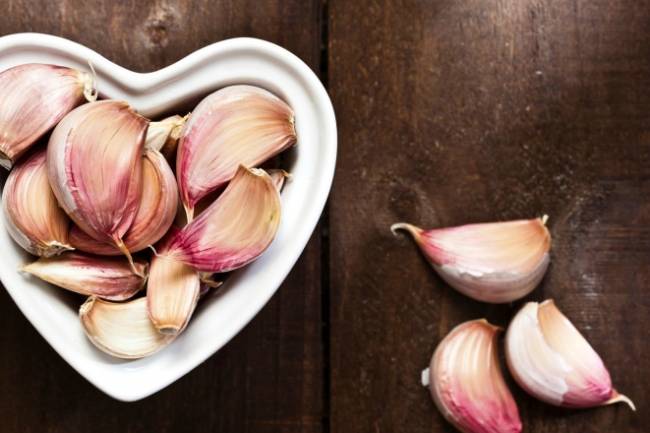
Garlic (Allium sativum)
Garlic has a long history of traditional medicinal use and has been studied for its cardiovascular effects. Its active compounds, particularly allicin and other sulphur-containing molecules, are thought to contribute to its biological activity.
Research suggests garlic supplementation may:
Produce modest reductions in systolic and diastolic blood pressure
Lower total and LDL cholesterol levels
Improve endothelial function
Reduce platelet aggregation
The effects are generally moderate but may be meaningful when integrated into a broader cardiovascular support strategy. Standardised extracts are often used in research settings to ensure consistent dosing of active compounds.
Magnesium
Magnesium is an essential mineral involved in more than 300 enzymatic reactions, many of which are directly relevant to cardiovascular function. It plays a role in vascular tone regulation, heart rhythm stability, glucose metabolism and stress response.
Suboptimal magnesium intake is relatively common due to modern dietary patterns and lifestyle factors.
Evidence suggests magnesium may:
Support healthy blood pressure
Improve insulin sensitivity
Promote normal cardiac rhythm
Reduce vascular constriction
Magnesium may be particularly relevant in individuals with hypertension, insulin resistance or high stress levels. Different forms vary in bioavailability and gastrointestinal tolerance.
Soluble Fibre (e.g. Psyllium Husk)
Although often classified as a dietary intervention rather than a supplement, soluble fibre is one of the most effective non-pharmacological tools for supporting healthy cholesterol levels.
Soluble fibre binds bile acids in the digestive tract, promoting their excretion. In response, the liver utilises circulating cholesterol to synthesise new bile acids, thereby reducing LDL cholesterol levels.
Clinical evidence shows that soluble fibre supplementation can:
Lower LDL cholesterol
Improve glycaemic control
Support overall gut health
Psyllium husk is one of the most widely studied forms and can be a useful adjunct when dietary fibre intake is insufficient.
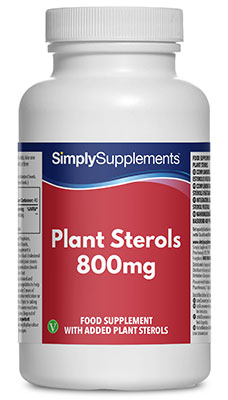
Plant Sterols and Stanols
Plant sterols and stanols are structurally similar to cholesterol and compete with it for absorption in the small intestine. By reducing intestinal cholesterol absorption, they can contribute to lower circulating LDL levels.
Research demonstrates that daily intake of plant sterols or stanols can:
Reduce LDL cholesterol by 5–15%
Complement other lipid-lowering strategies
They are commonly found in fortified foods but are also available in supplement form.
A Strategic Approach to Supplementation
While these supplements have evidence supporting their role in cardiovascular health, they are not meant to be used together indiscriminately and should not be viewed as interchangeable or a shortcut to good health. The effectiveness of supplementation depends on the broader context: overall dietary pattern, metabolic health, physical activity, sleep quality and stress levels.
It is also important to recognise that “natural” does not automatically mean risk-free. Certain supplements, particularly those that influence cholesterol synthesis or blood clotting, may interact with medications or require monitoring.
Cardiovascular health is multifactorial. Supporting it effectively requires a layered approach including nutrient-dense food, movement, metabolic balance, stress regulation and, where appropriate, evidence-based supplementation.
Used thoughtfully, supplements such as CoQ10, red yeast rice, omega-3 fatty acids, garlic, magnesium, soluble fibre and plant sterols can provide targeted support within a comprehensive heart health strategy.
Sources:
https://www.ncbi.nlm.nih.gov/books/NBK531491/
https://www.mdpi.com/2072-6643/16/10/1453
https://ods.od.nih.gov/factsheets/Omega3FattyAcids-HealthProfessional/
https://pmc.ncbi.nlm.nih.gov/articles/PMC11585403/
https://pubmed.ncbi.nlm.nih.gov/30239559/
https://pmc.ncbi.nlm.nih.gov/articles/PMC10343346/