How to Support Your Health During the Cold & Flu Season

 Funmi Akinola (Msc, Anutr)
 Winter has a way of slowing life down while simultaneously demanding more from your body. The darker mornings, cold winds, central heating, busier schedules, and the pressure of the festive season all stack up. It’s no surprise that December is one of the peak months for colds, coughs, tiredness, and feeling run down.
But here’s the good news: supporting your immune system doesn’t require restriction, detoxes, “clean eating,” or any rigid winter wellness plans. Your body already has a beautifully designed defence system. What it needs, especially in the colder months is nourishment, consistency, colour, and the small habits that create resilience from the inside out.
Instead of cutting things out, you gently add ingredients, habits, and nutrients that strengthen immunity in a way that’s easy, comforting, and realistic, especially in December, when joy, convenience, and community matter as much as health.
Let’s walk through the simplest, most supportive additions you can weave into your winter routine, with a special focus on vitamin C and vitamin D, two nutrients your immune system leans on heavily at this time of year.
1. Colourful Winter Foods That Feed Both You and Your Immune System
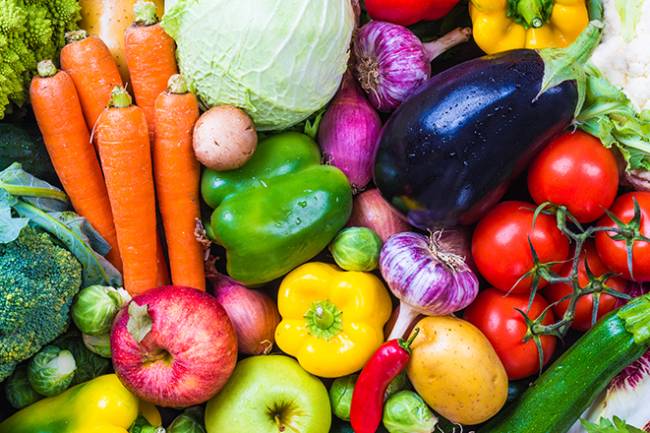
Winter often nudges us towards beige, comforting meals, and there’s absolutely space for that. But your immune system thrives when your diet includes colourful plants rich in vitamins, minerals, antioxidants, and fibre.
This doesn’t mean replacing your meals. It means brightening them up.
Think of colour as your first immune-supporting addition:
- Oranges, clementines, grapefruit
- Red cabbage, red onions, pomegranate seeds
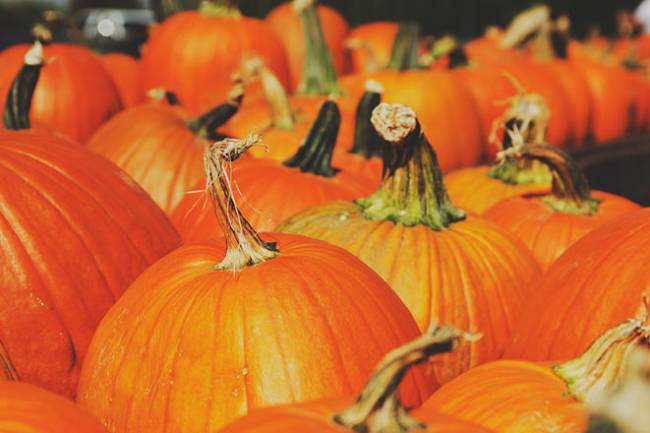
- Carrots, sweet potatoes, squash
- Cranberries, blueberries, blackberries
- Leafy greens like kale, spinach, cavolo nero
All of these contain nutrients that help your cells repair, reduce inflammation, and support your gut which is home to roughly 70% of your immune system.
2. Vitamin C: Your Winter Immunity Workhorse
Vitamin C is one of the most well-known immune-supportive nutrients for good reason. It helps your body produce white blood cells, protects them from damage, and strengthens your skin and gut lining which are two important defence barriers against infection.
But here’s the part people often forget: your body doesn’t store vitamin C, so daily intake matters.
Top Vitamin C Additions:
- Topping your meal with watercress
- A handful of berries to your breakfast
- A daily clementine (or two)
- Red peppers in fajitas, pasta dishes, or omelettes
- Broccoli roasted, steamed, or tossed into stir-fries
- A cup of citrus fruit or pomegranate seeds as an afternoon snack
- A squeeze of lemon into soups, hot water, dressings, or over roasted veggies
Alongside vitamin C–rich foods, a daily vitamin C supplement can help keep your levels topped up and meet your needs if you struggle to consistently get vitamin C through your diet. During a cold, a daily dose of 200mg of vitamin C (or more) may help reduce its duration and severity.
3. Vitamin D: Your Winter Non-Negotiable
While vitamin C is abundant in food, vitamin D is not, and sunlight is the primary way we make it. In the UK, from October to March, sunlight simply isn’t strong enough for reliable vitamin D production.
Vitamin D supports immunity by:
- Helping your body respond effectively to infection
- Reducing inflammation
- Strengthening your respiratory system
- Supporting mood and energy, which naturally dip in winter
Most adults benefit from a daily supplement in winter, especially those with darker skin (which naturally produces less vitamin D from sunlight) or limited outdoor exposure.
Vitamin D Additions:
- Take a 10–15 minute walk during daylight hours
- Include oily fish weekly (salmon, sardines, mackerel)
- Add UV treated mushrooms to stir-fries, pasta, or omelettes
- Enjoy fortified foods such as plant milks, cereals, or spreads
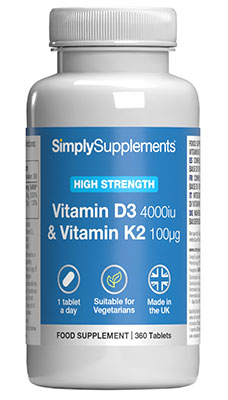
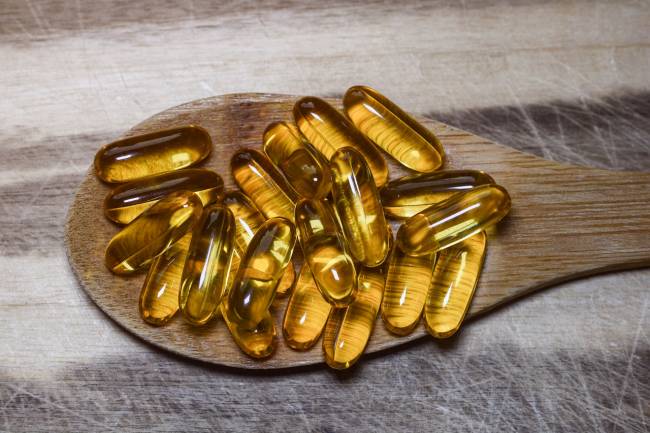
- Take a vitamin D3 supplement in winter (ideally with K2 if recommended for you)
4. Don’t Forget Your Gut: The Centre of Your Immune System
Your gut houses trillions of microbes that help your immune system respond calmly and effectively. A well-fed gut supports your body in repairing damage, reducing inflammation, and maintaining a strong defence barrier.
The simplest way to support it in winter?
Add more fibre and plant variety.
Try including:
- A rotating mix of nuts and seeds
- Seasonal vegetables like leeks, cabbage, carrots, Brussels sprouts
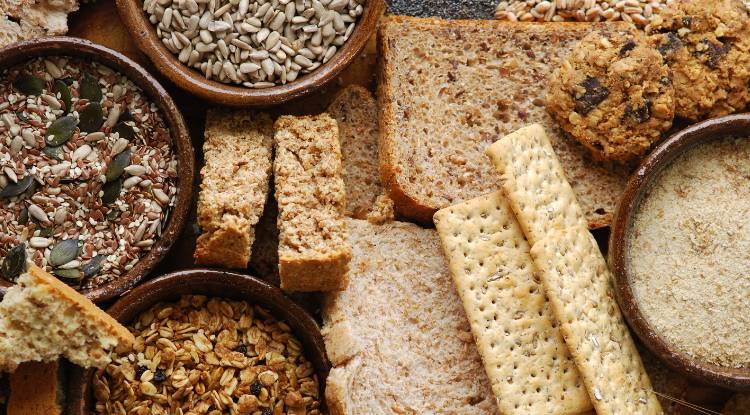
- Whole grains like oats, quinoa, and wholemeal bread
- Beans or lentils in soups, stews, chillies, and curries
- Kefir, yogurt, kombucha, and fermented veggies for the beneficial bacteria
Your gut bacteria thrive on diversity. Aim for a colourful plate most days, not perfection.
5. Warm, Comforting Meals That Support Immunity
Winter foods can be both soothing and powerful. Warm meals help digestion, reduce stress on the gut, and often carry herbs and spices rich in immune-supportive compounds.
Easy Immune-Supportive Meals
- Hearty vegetable soups with garlic, leeks, and beans
- Slow-cooker stews with a rainbow of root vegetables
- Roasted vegetable trays with thyme, rosemary, and lemon
- Porridge with berries, seeds, and cinnamon
- Stir-fries with mushrooms, broccoli, peppers, and ginger
- Adding herbs like rosemary, thyme, sage, turmeric, and ginger gives your cells an extra antioxidant lift while keeping meals comforting.
6. Hydration: The Quiet Winter Hero
Dehydration is sneaky in winter. Cold weather reduces thirst signals, heating dries out your airways, and festive celebrations often include more caffeine and alcohol.
Hydration helps your immune system by:
- Supporting mucus membranes that trap viruses
- Helping lymphatic flow (your internal waste-removal system)
- Keeping energy levels steady
Simple Additions
- Start the morning with a warm drink
- Alternate alcohol with water during parties
- Include herbal teas like lemon, ginger, peppermint, and chamomile
- Eat hydrating foods like citrus, berries, soups, and stews
7. Move Your Body Gently and Consistently
Movement isn’t about burning calories or earning your food. It helps immunity by improving circulation, boosting mood, supporting sleep, and reducing inflammation.
December can be busy, but the right movement can fit into your life without stress.
Immune-Supporting Additions
- 10 minutes of stretching in the morning
- A walk after meals
- Dancing in the kitchen while cooking
- Short workout videos or Pilates sessions
- Simple strength exercises at home
Think joyful, grounding, and accessible, not punishing or extreme.
8. Rest Well: The Most Underrated Immune Tool
Your immune system does some of its most important work while you sleep. But December is famous for late nights, early mornings, and social plans that fill every square inch of your diary.
Supporting your sleep doesn’t mean cancelling joy. It means adding small habits that anchor you:
- Create a simple evening wind-down ritual
- Use warm lighting or candles in the evening
- Avoid scrolling when you first get into bed
- Keep your room cool and cosy
- Use breathwork or prayer to settle your mind
When you’re better rested, your body is better defended.
9. Manage Stress With Compassion
Chronic stress weakens immunity, affects sleep, disrupts digestion, and changes appetite. And December, as lovely as it is, often comes with emotional and mental load.
Compassion is your strongest winter wellness tool.
Grounding Additions
- Short breathing breaks during the day
- Warm drinks used as a moment of pause
- Stepping outside for fresh air
- Gentle journalling
- Saying no when your energy is low
When your nervous system feels settled, your immune system functions more efficiently.
Staying well during cold and flu season isn’t about cutting out sugar, going on detoxes, or obsessing over perfect routines. It’s about giving your body the nourishment it needs to be resilient: colour, fibre, warmth, hydration, daylight, gentle movement, rest, vitamin C, and vitamin D.
These small additions work together, strengthening your immune system without shrinking your life or stealing the joy from the festive season.
Sources:
https://pmc.ncbi.nlm.nih.gov/articles/PMC5707683/
https://journals.sagepub.com/doi/10.2310/JIM.0b013e31821b8755
https://pmc.ncbi.nlm.nih.gov/articles/PMC8531728/
https://pmc.ncbi.nlm.nih.gov/articles/PMC8602722/